Gold ERP

Real-Time Analytics The Key to Effective, Rapid Decision-Making with Daysum

Real-Time Analytics: The Key to Effective, Rapid Decision-Making with Daysum

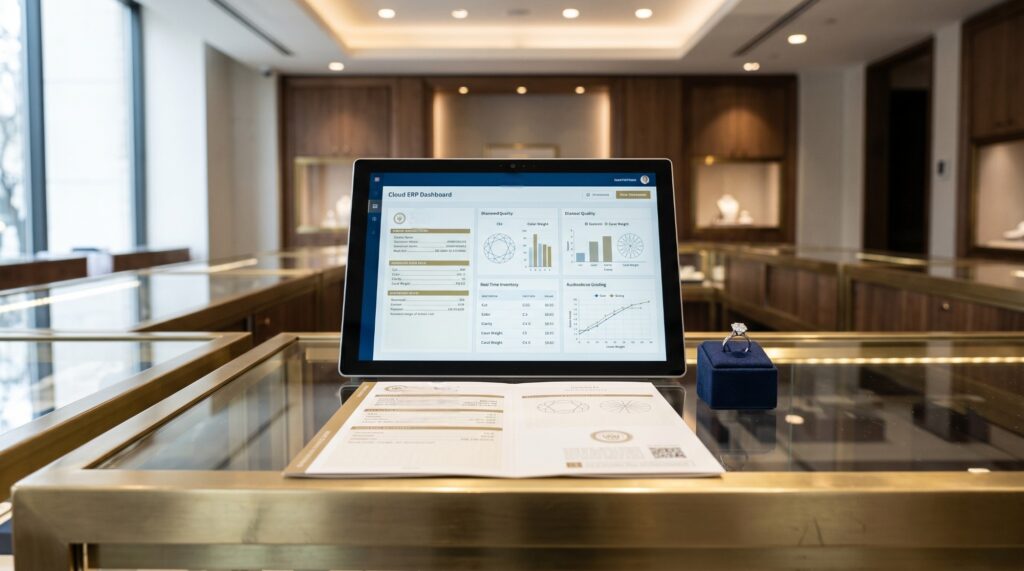
The architecture of modern commerce has undergone a profound metamorphosis. The days of relying on retrospective, end-of-month reporting to guide corporate strategy are definitively over. In today’s hyper-accelerated economic environment, organizations that wait for historical data to compile are organizations that are fundamentally operating in the past. To capture market share, mitigate emerging risks, and outmaneuver competitors, corporate leadership requires immediate, unadulterated visibility into their operations as they occur. This is the domain of real-time analytics. It serves as the absolute critical element for success, representing the pinnacle of an organization’s digital transformation journey. By leveraging the immense computational power of sophisticated cloud-based ERP solutions, enterprises can bypass the latency of traditional data processing. Daysum sits at the vanguard of this technological revolution, engineering advanced, fully integrated architectures that transform raw, continuous data streams into actionable intelligence, empowering Saudi companies to navigate complex market dynamics with unprecedented precision and operational efficiency. For specialized retail sectors where asset values fluctuate by the minute, this capability is not merely advantageous; it is existential. Upgrade your enterprise architecture with our highly calibrated gold inventory system, meticulously tailored to provide jewelry manufacturers and bullion traders with the exact, instantaneous oversight required to protect profit margins and optimize stock levels across multiple branches. Deconstructing Real-Time Analytics: The Mechanics of Instant Insight To fully grasp the magnitude of this technology, one must distinguish it from legacy data methodologies. Traditionally, organizations utilized “batch processing.” In this model, data generated by sales, inventory movements, or human resources was collected over a specific period—a day, a week, or a month—and then processed in a massive, resource-heavy batch. The resulting reports told managers what had happened, offering a purely historical perspective. Real-time analytics completely dismantling this delayed framework. It involves the continuous ingestion, processing, and visualization of data at the exact millisecond it enters the system. Utilizing advanced technologies such as in-memory databases and event-stream processing, this methodology delivers insights on the spot. When a customer executes a transaction in Riyadh, the inventory levels in the central warehouse, the financial ledgers in the accounting department, and the predictive demand models are all updated simultaneously. The Paradigm Shift: Batch Processing vs. Real-Time Analytics To visualize the structural differences and operational impact, consider the following comparative analysis: Architectural Metric Traditional Batch Processing Continuous Real-Time Analytics (Daysum Ecosystem) Data Velocity Stagnant; processed in scheduled, delayed intervals. Dynamic; processed instantaneously upon generation. Operational Visibility Retrospective (Looking at the past). Immediate and Predictive (Navigating the present and future). Error Resolution Reactive; anomalies are discovered long after they occur, compounding damage. Proactive; automated alerts trigger immediate intervention protocols. Customer Experience Generic; reliant on historical demographic trends. Hyper-personalized; adapting to live behavioral data during the interaction. Resource Allocation Static planning; inflexible to sudden market disruptions. Agile maneuvering; capital and labor are reallocated dynamically as conditions shift. The Strategic Imperative for Businesses in Saudi Arabia The Kingdom of Saudi Arabia is currently executing one of the most ambitious economic diversification strategies in global history. Vision 2030 has catalyzed massive infrastructural development, fostered an influx of foreign direct investment, and created a fiercely competitive commercial ecosystem. In this elevated arena, the margin for error is microscopically thin. Success for leading Saudi enterprises now relies entirely on the velocity and exactitude of their decision-making apparatus. Immediate Response to Micro-Economic Fluctuations Global supply chains remain highly volatile, and consumer demand can pivot overnight. Real-time analysis provides executive teams with a live dashboard of their entire operational footprint. If a particular product line experiences a sudden spike in demand, or if a supplier encounters a logistical bottleneck, the system highlights these anomalies instantly, allowing leadership to deploy rapid countermeasures, secure alternative sourcing, or adjust pricing algorithms before a crisis materializes. Cultivating Exceptional Customer Journeys The modern Saudi consumer is highly connected and expects seamless, intuitive brand interactions. By analyzing customer touchpoints instantly—from website navigation patterns to point-of-sale transactions—businesses can curate profoundly personalized experiences. This capability ensures that marketing offers are contextually relevant and deployed at the exact moment of highest conversion probability, thereby dramatically enhancing brand loyalty and lifetime customer value. Achieving Maximum Operational Output Waste—whether it be idle labor hours, excess inventory depreciation, or inefficient energy consumption—is the silent destroyer of profitability. Real-time analytics supports the absolute optimization of resource management. By constantly monitoring output metrics across manufacturing lines or logistical fleets, Daysum’s integrated platforms identify microscopic inefficiencies, allowing managers to tighten operations, reduce overhead costs, and drastically increase overall productivity. Sector-Specific Transformations Powered by Living Data The theoretical benefits of continuous data processing manifest in highly tangible ways across distinct industries. Daysum’s architecture is deliberately engineered to address the unique complexities of various sectors within the Middle Eastern market. The Precious Metals & Jewelry Sector The gold and jewelry industry operates at the intersection of high-value asset management and volatile global commodities trading. A delay of mere hours in pricing adjustments or inventory auditing can result in catastrophic financial losses. Utilizing a sophisticated ERP infrastructure guarantees that your retail and wholesale operations are perfectly synchronized with global market indices. When a transaction occurs, the system not only updates the financial ledger but recalculates the entire valuation of the remaining stock. This level of granular control is further augmented when utilizing specialized tools like the gold karat conversion calculator, which allows floor staff and procurement officers to instantly and flawlessly determine the exact purity and market value of incoming materials, entirely removing human error from complex metallurgical mathematics. Modern Manufacturing and Supply Chain Logistics For industrial operations, equipment downtime is exceptionally costly. Real-time analytics integrates directly with Internet of Things (IoT) sensors embedded in manufacturing machinery. This creates a continuous stream of telemetry data regarding temperature, vibration, and output speed. Instead of waiting for a machine to break down (reactive maintenance), the Daysum system utilizes predictive algorithms to identify the microscopic warning signs of component failure, scheduling preventative maintenance during non-peak hours and ensuring uninterrupted production cycles. Financial Services and Strict Regulatory Compliance The financial landscape in Saudi Arabia is

Read more
Digital Transformation How Daysum’s ERP Solutions Enhance Your Business

Digital Transformation: How Daysum’s ERP Solutions Enhance Your Business

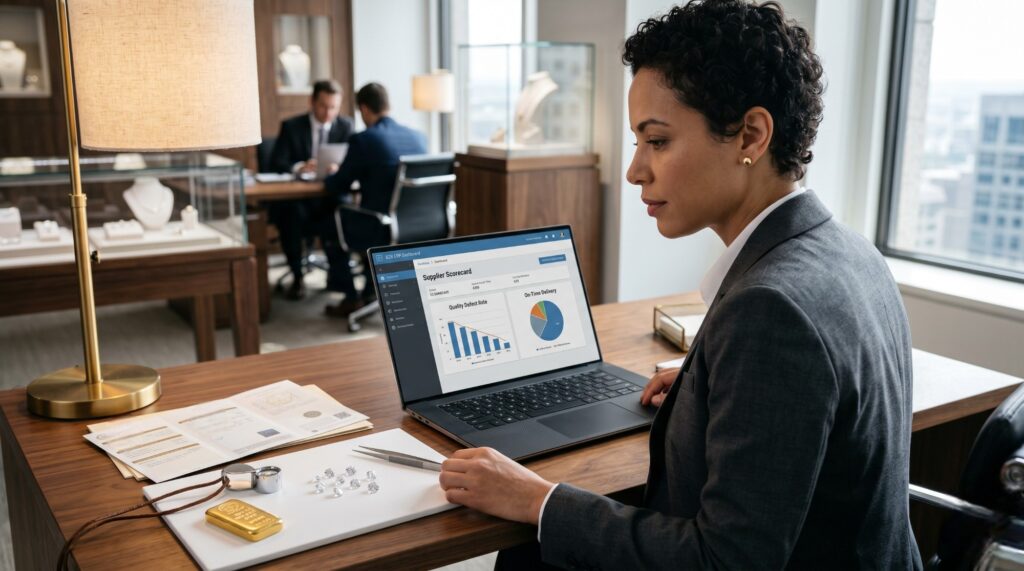
In an era defined by rapid technological shifts, digital transformation stands as the ultimate catalyst for corporate longevity. It is no longer a futuristic concept but a present-day mandate for survival, particularly within highly competitive regional markets. At the core of this monumental shift are sophisticated ERP systems, which act as the operational brain of an enterprise, synchronizing complex workflows across all departments. Daysum leads this technological frontier, delivering highly integrated, localized ERP frameworks that empower Saudi organizations to maximize operational output and maneuver swiftly through economic changes. For niche retail and manufacturing sectors, precision is everything. If you are operating within the precious metals market, securing a highly accurate gold inventory system is essential. Daysum provides absolute visibility over your stock, live pricing synchronization, and rigorous compliance tracking. Section 1: Demystifying the Digital Shift What exactly does it mean to undergo a technological overhaul? True digital transformation is the strategic adoption of intelligent software to fundamentally re-engineer how a business creates value, serves its clients, and manages its internal resources. It is the transition from reactive, manual processes to proactive, automated, and data-driven ecosystems. This evolution is critical for ambitious enterprises because it delivers: Decisive Innovation: Leveraging real-time analytics to spot market gaps before competitors do. Process Optimization: Eliminating redundant tasks that drain financial and human capital. Unrivaled Efficiency: Creating frictionless environments where data moves instantly from the warehouse to the boardroom. Companies that hesitate to upgrade their technological infrastructure will inevitably face operational bottlenecks and diminished market share. Section 2: How ERP Frameworks Eliminate Operational Silos Historically, a major hurdle for scaling businesses has been “siloed” departments—sales, human resources, and finance operating on entirely different, disconnected software platforms. An Enterprise Resource Planning (ERP) platform destroys these barriers. It centralizes all corporate data into a single, unified command center. Partnering with Daysum provides enterprises with a suite of unparalleled advantages: Harmonizing Cross-Departmental Workflows By linking HR attendance, financial ledgers, and supply chain logistics into one cohesive system, Daysum ensures that a product sold in the storefront instantly updates warehouse inventory and triggers a financial record. This level of integration removes guesswork and empowers managers with a holistic view of the company’s health. Drastically Reducing Overhead Manual workflows are the enemy of profitability. They invite human error and consume valuable time. Daysum’s intelligent automation handles the heavy lifting of data entry and report generation. This reduction in administrative friction directly lowers operational costs and boosts bottom-line revenue. Empowering Strategic Foresight Access to real-time, untampered data transforms how leadership plans for the future. With immediate visibility into departmental performance, executives can forecast trends accurately and allocate resources where they will generate the highest return on investment. Section 3: Specialized Capabilities for the Saudi Market General software often fails to meet the precise regulatory and operational demands of specific regional industries. Daysum differentiates itself by providing highly specialized tools built for the realities of the modern market. Financial Agility and Tax Compliance: Transitioning to a streamlined, error-free financial department requires modern tools. By integrating intelligent e invoicing software, companies can automate their billing cycles, accelerate payment collections, and ensure flawless compliance with stringent regional tax mandates. Precision in the Jewelry Sector: The gold market is notoriously volatile and requires exacting mathematical precision. Daysum integrates customized tracking mechanisms and a built-in gold karat conversion calculator. This specific utility allows traders to instantly translate physical weight and purity into accurate market valuations, safeguarding profit margins. Section 4: The Tangible Impact of Modernization To understand the profound shift this technology brings, we must look at the structural improvements across daily operations. Business Function Legacy Systems (Pre-Transformation) The Daysum Advantage Data Synchronization Fragmented; requires manual exporting and reporting. Unified dashboard; live updates across all modules. Inventory Control Prone to human error, stockouts, and delayed audits. Automated replenishment alerts and live tracking. Client Relations Slow response times due to scattered customer histories. Instant access to client profiles, enabling hyper-personalized service. Regulatory Compliance High risk of manual reporting errors and penalties. Automated, audit-ready compliance tracking embedded in daily workflows. Section 5: Why Daysum is Your Optimal Technology Partner Navigating an enterprise-wide software migration requires more than just a vendor; it requires a dedicated technological partner. Daysum offers an expansive, highly customizable suite of enterprise tools specifically engineered to guide businesses into a modern, integrated future. Our systems are built upon the pillars of uncompromising data security, lightning-fast cloud architecture, and intuitive user interfaces. Furthermore, Daysum provides ongoing, localized technical support to ensure your operations never skip a beat. Section 6: Launching Your Upgrade Initiative The transition to a digital-first operation is a structured, strategic process. Here is how the Daysum advisory team ensures a flawless deployment: Deep-Dive Operational Audit: We begin by mapping your exact current processes, identifying inefficiencies, and understanding your specific commercial goals. Bespoke Software Configuration: We do not sell generic packages. We assemble the specific ERP modules—from HR to advanced logistics—that directly address your operational gaps. Managed Deployment and Integration: Our engineering team ensures a seamless data migration from your legacy systems to the new platform, followed by comprehensive staff training to guarantee rapid user adoption. Conclusion Embracing advanced ERP architecture is the definitive step toward securing long-term commercial success. Through intelligent integration and automated workflows, Daysum empowers companies to shatter growth ceilings and redefine their operational capabilities. Do not let outdated technology hold your vision back. Contact the Daysum team today to schedule an in-depth consultation and begin engineering the future of your enterprise.   Frequently Asked Questions (FAQs) 1. Is an ERP system suitable for mid-sized enterprises, or only large corporations? Daysum’s architecture is highly scalable. It is designed to grow with your business, meaning mid-sized companies can adopt core modules today and expand the system’s capabilities as their operational footprint increases. 2. How secure is our corporate data within the Daysum ecosystem? Data sovereignty and security are our highest priorities. Our platforms utilize advanced cryptographic protocols, continuous system monitoring, and automated redundancies to defend your vital business information from any unauthorized

Read more

Marketing Strategies for Jewelry in the Digital Age

Walking into a traditional gold souq in Cairo or Riyadh is an experience defined by the senses—the bright yellow glow of 21k gold under halogen lights, the weight of a heavy bridal set in your palm, and the rhythmic sound of merchants negotiating. For decades, this physical presence was the only way to sell jewelry. But the landscape has shifted. While the emotional significance of buying gold remains just as strong, the journey now begins on a five-inch smartphone screen. People are no longer just looking for a store; they are looking for a story, a connection, and a sense of absolute trust before they even step foot in a showroom. This shift toward the digital space isn’t just about having a Facebook page. It is a total transformation of the sales funnel. In a world where luxury is defined by convenience and personalization, those who stick to old-school “window-shopping” models find themselves losing ground. Digital tools allow a brand to reach into the private lives of consumers at exactly the right moment—when they are planning a wedding, celebrating a promotion, or looking for a secure investment against inflation. By using modern marketing strategies for jewelry in the digital age, a jewelry business can see conversion rates jump by three to five times compared to traditional billboard or print advertising. How can you define your target audience for 2026? The biggest mistake a jeweler can make is trying to talk to everyone at once. A grandmother buying a traditional gold coin as a gift for a newborn has completely different motivations than a 28-year-old bride in Cairo looking for a modern, diamond-encrusted white gold set. To succeed, you have to move beyond generic marketing and create deep “buyer personas.” These are detailed profiles of your ideal customers that dictate every photo you take and every caption you write. Consider the two primary pillars of the Middle Eastern jewelry market: The Emotional Bride (25-35 years old):She is likely spending hours on Pinterest and Instagram. She values aesthetics, “Instagrammable” packaging, and pieces that reflect her personal style rather than just traditional weight. For her, the jewelry is a symbol of a new chapter. Your marketing to her should focus on the “dream,” the craftsmanship, and the sparkle. The Savvy Investor (40+ years old):This customer sees gold as a hedge. They are interested in 24k bars, coins, and heavy sets with low making charges. They follow global gold price trends closely. For them, your marketing should emphasize the importance of building a strong brand and the purity of your metal. They want data, stability, and transparency. By looking at your history, you can identify peak seasons. In Egypt and the Gulf, the wedding season following Eid is a goldmine. If you aren’t preparing your digital campaigns three months in advance, you are already too late. Using your internal data allows you to analyze sales data to improve strategies, ensuring you stock the right karats and designs for the right demographic at the right time. What makes a jewelry website convert visitors into buyers? Your website is your flagship store in the digital world. If it is slow, cluttered, or difficult to navigate on a phone, it is the equivalent of having a dirty, dimly lit showroom. Jewelry is a visual product, and the digital experience must reflect that luxury. Mobile-First is the Only Way:Almost 90% of your traffic will come from mobile devices. If a customer has to “pinch and zoom” to see the hallmark on a ring, they will leave. The design must be fluid, with buttons that are easy to click and a checkout process that feels secure. The Power of 360-Degree Views:High-resolution photos are the baseline, but 360-degree product videos are the game-changer. Customers want to see how a diamond catches the light from every angle. This builds the “tactile trust” that is usually missing in online shopping. Speed and Technical SEO:A luxury buyer is impatient. If your site takes more than three seconds to load because of heavy, unoptimized images, you lose them. Compressing images while maintaining crisp quality is a technical necessity. Furthermore, your site must be optimized for local searches like “best gold engagement rings Cairo” or “21k gold sets Riyadh.” Website Feature Why It Matters for Jewelry Impact on Conversion 360° View Replaces the physical “touch and feel” experience. 40% higher add-to-cart rate. Fast Load Speed Prevents frustration and reduces bounce rates. Improves Google ranking and user trust. Mobile Checkout Allows for impulsive or “on-the-go” luxury buys. Reduces abandoned carts significantly. SEO Keywords Connects you with people actively searching for gold. Increases organic, high-intent traffic. Which social media platforms drive the most “sparkle” for your brand? Social media isn’t a megaphone; it’s a conversation. Each platform serves a different purpose in the jewelry buyer’s journey. You shouldn’t just copy and paste the same content everywhere. Instagram: The Visual Inspiration Hub This is where the “dream” lives. Use Reels to show how a necklace sits on a real person, not just a plastic bust. The movement of the gold against skin is what triggers the emotional purchase. Use Stories to run polls—ask your followers if they prefer “Classic Yellow Gold” or “Modern Rose Gold.” This engagement doesn’t just build community; it gives you free market research. Facebook: The Community and Trust Builder While Instagram is for inspiration, Facebook is for information and trust. This is where you can share longer stories about your brand’s heritage or host “Live Sales” where you explain the value of specific investment pieces. It’s also the place where customer reviews carry the most weight. A positive comment on a Facebook post about your electronic invoice system being easy to use can be the final push a hesitant buyer needs. Pinterest: The Long-Tail Planning Tool People go to Pinterest to plan their future. A bride-to-be might save a photo of your bridal set to her “Wedding Inspo” board six months before she is ready to buy. By creating trend boards and linking

Read more
How Gold Stores Can Use Social Media

How Gold Stores Can Use Social Media

In the luxury world, seeing is believing, but feeling is buying. Jewelry is a deeply emotional purchase, often marking the most significant milestones in a person’s life—engagements, anniversaries, and personal triumphs. Because these moments are driven by sentiment, social media serves as the perfect bridge between a cold transaction and a warm, lifelong brand relationship. The modern jewelry market has shifted from physical window-shopping to digital scrolling. Today, platforms like Facebook and Instagram are responsible for driving between 30% and 50% of jewelry sales. They allow a brand to showcase the intricate sparkle of a 21k gold set or the precise craftsmanship of a diamond ring to thousands of potential buyers simultaneously. By mastering these digital tools, a store transitions from being a local shop to a regional authority. Utilizing marketing strategies for jewelry in the digital age ensures that your brand remains at the forefront of the consumer’s mind exactly when they are ready to celebrate a special moment. How Does Facebook Transform Local Browsers into Global Buyers? With over 2.8 billion users, Facebook is the undisputed heavyweight for broad-spectrum engagement. It caters to everyone from young couples looking for affordable engagement rings to seasoned collectors seeking rare 24k bullion or luxury watches. The true power of Facebook lies in its surgical advertising precision, which can boost a jeweler’s ROI by up to 4x when managed correctly. Essential Facebook Strategies for High-End Growth: The Optimized Business Page: Your page is your digital identity. It must feature high-resolution photography that does justice to your products, a compelling brand story that highlights your heritage, and clear contact information. Posting weekly promotional offers keeps your audience engaged and looking for the next “deal.” Hyper-Targeted Facebook Ads: Stop wasting money on generic ads. Facebook allows you to “geo-fence” your ads within a specific radius of your physical store. More importantly, you can target specific life events. Imagine showing a stunning bridal collection specifically to people whose status recently changed to “Engaged” or targeting “Luxury Fashion” enthusiasts during high-gift seasons like Eid or Mother’s Day. Content Excellence: Use a mix of professional studio shots and raw, authentic customer testimonials. Live video sessions where you showcase the design process or explain the difference between gold carats build an immense level of importance of building a strong brand. Why is Instagram the “Sparkle Capital” of the Digital World? If Facebook is the brain of your social strategy, Instagram is the heart. With over 1 billion users craving high-quality aesthetics, it is the natural home for the jewelry industry. Instagram is built for the close-up—the way light hits a faceted gemstone or the brushed texture of a gold bangle. Mastering the Visual Language of Instagram: The Cohesive Aesthetic: Your feed should feel like a curated art gallery. Using a consistent gold-tone filter or a specific color palette ensures that when someone visits your profile, they immediately sense the “Daysum” luxury. A compelling bio with a “Linktree” directing users to your latest collections or electronic invoice payment portal is a must. The Power of Reels and Stories: Static posts are no longer enough. Video content, particularly “worn-product” videos where someone is actually wearing the jewelry, yields 40% higher engagement. These videos show scale, movement, and real-world sparkle that a photo cannot capture. Use Stories for 24-hour flash sales to create urgency in promotional offers. Micro-Influencer Partnerships: You don’t need celebrities with millions of followers. In the jewelry world, “Micro-influencers” (10K-50K followers) often have a much tighter, more trusting relationship with their audience. Working with a local fashion influencer can yield an 8% conversion rate, compared to just 1% for major celebrities. Strategic Content Framework: Where and When to Post? Consistency is the key to staying relevant in an algorithm-driven world. Each platform requires a different tone and frequency to maximize its impact on your bottom line. Feature Facebook Strategy Instagram Strategy Primary Content Type Testimonials, event updates, and carousel ads. High-quality Reels (worn jewelry) and aesthetic Stories. Posting Frequency 4-5 times per week. Daily Stories and 3-4 Feed posts per week. Audience Intent Information, community, and targeted discovery. Visual inspiration, lifestyle aspiration, and quick buying. Best Performance Informational “Live” sessions and long-form reviews. Behind-the-scenes crafting and “Flash Sale” countdowns. How Does Daysum Integrate Social Media into Your Financial Engine? The biggest mistake many jewelers make is treating social media as a separate “hobby” rather than a core business operation. If you don’t track the sales coming from your Instagram ads, you are effectively flying blind. Daysum bridges the gap between digital “likes” and physical “sales.” By utilizing the advanced gold erp system from Daysum, you can: Track Campaign ROI: Link your social media ad spend directly to your sales data. See exactly which Instagram Reel resulted in the most bridal set inquiries. Advanced Customer Segmentation: Use your Daysum CRM to identify your most loyal social media followers and send them personalized, high-value offers that make them feel like VIPs. Automated Multi-Platform Strategy: Manage your digital identity efficiently. Daysum’s analytics allow you to see the big picture of your jewelry erp software saudi arabia performance, ensuring your marketing spend is always optimized for the highest possible profit. Frequently Asked Questions 1. Is it better to post photos of jewelry on a velvet bust or on a real person? While studio shots on a bust are great for showing technical details, photos and videos of jewelry on a real person almost always perform better on social media. People want to see how a necklace sits on the neck or how large a ring looks on a finger. Real-world context makes the piece relatable and drives higher emotional engagement. 2. How do I handle negative comments or price complaints on my social media posts? Never delete a legitimate question or concern. Instead, respond professionally and invite the person to a private conversation (DM). For price complaints, explain the value: the purity of the gold, the certification of the stones, and the handcrafted nature of the piece. Transparency builds trust. 3.

Read more
The Importance of Building a Strong Brand in the Jewelry Industry

The Importance of Building a Strong Brand in the Jewelry Industry

Walking into a retail district or scrolling through an online feed presents a consumer with thousands of glittering options. The jewelry sector is remarkably saturated, filled with countless vendors offering gold, diamonds, and precious stones. However, despite the sheer volume of products available, a select few names always rise above the rest, commanding higher prices, fierce loyalty, and immediate recognition. This separation does not happen by accident, nor is it purely the result of selling superior metals. It is the direct result of understanding the importance of building a strong brand in the jewelry industry and executing that vision with absolute precision. Many business owners mistakenly believe that a brand is simply a beautifully designed logo, an elegant font, or the specific color of their packaging. While these visual elements are certainly important pieces of the puzzle, they are only the surface. A true brand acts as the emotional and psychological identity of your business. When a customer purchases a diamond ring or a gold necklace, they are rarely buying just the physical materials. They are purchasing a symbol of love, a marker of a major life milestone, a family heirloom, or a personal reward for hard work. Because the product carries such intense emotional weight, the business selling it must evoke a matching emotional response. If your store feels generic, your pieces will feel generic, no matter how flawless the stones might be. Developing a distinctive identity means crafting a narrative that surrounds your products, making the customer feel that they are participating in an exclusive, meaningful experience rather than just executing a financial transaction. A powerful identity transforms a simple gold band into a statement of taste, status, and personal values. Decoding the DNA of a Uniquely Crafted Identity To truly stand out, you must understand the core components that make up a brand’s DNA. It goes far beyond the aesthetic choices and dives deep into the philosophy of your business operations. The Narrative and Core Values Every memorable jewelry house has a defining story. This story might be rooted in decades of family heritage and traditional craftsmanship, passing down techniques from one generation to the next. Alternatively, a modern company might build its entire story around ethical sourcing, lab-grown diamonds, and environmental sustainability. Whatever the narrative is, it must be authentic and consistently communicated. This story gives the consumer something to connect with on a human level. When their personal values align perfectly with the values projected by your company, they stop comparing your prices with your competitors and start buying into your vision. Emotional and Aesthetic Alignment The aesthetic of your company must perfectly match the emotions you wish to provoke. If you are selling high-end, bespoke diamond pieces aimed at affluent buyers, your entire visual language—from the interior lighting of your showroom to the thickness of your business cards and the negative space on your website—must scream luxury and exclusivity. Conversely, if your focus is on affordable, everyday minimalist pieces for a younger demographic, your aesthetic should be bright, highly approachable, and clean. This total alignment ensures that the moment a potential buyer interacts with your business, they immediately know if the product is right for them. The Pillars of a Lasting Impression When analyzing the most successful names in the luxury sector, several core traits consistently appear: Uncompromising Quality: The physical product must justify the narrative. A beautiful story falls apart immediately if a clasp breaks or a stone comes loose within a month. Perceived Exclusivity: Customers want to feel special. Limited edition collections, personalized engraving services, or VIP viewing appointments create a feeling of rarity that drives desire. Absolute Consistency: The tone of voice used in an email newsletter must match the greeting a customer receives when walking through your front doors. Mixed signals destroy trust. Strategic Pillars for Lasting Market Success Transforming a theoretical identity into a highly profitable reality requires a deliberate, multi-channel strategy. You must actively push your narrative out into the market and capture the attention of your ideal demographic. Formulating a Resonant Message Before spending a single dollar on advertising, you must define exactly what you are saying to the public. Are you selling timeless elegance for brides? Are you offering bold, modern statements for independent professionals? This core message dictates every marketing move you make. If your message is centered around “modern, sustainable luxury,” then every photograph, every caption, and every promotional event must reinforce those three words. A muddled message confuses the consumer, and a confused consumer simply walks away. Executing Digital Marketing and Visual Storytelling The visual nature of precious metals and stones makes digital platforms the absolute most powerful tools at your disposal. However, simply posting a picture of a ring on a white background is no longer sufficient. Exploring advanced marketing strategies for jewelry in the digital age reveals that storytelling is the primary driver of engagement. You must show the lifestyle that accompanies the piece. Show the ring being worn at a beautiful dinner setting, or create a short, high-quality video detailing the meticulous design process on the jeweler’s bench. Furthermore, understanding how gold stores can use social media to their advantage involves creating behind-the-scenes content that humanizes the business and builds an eager, interactive community. Below is a breakdown comparing outdated marketing mentalities with highly effective modern strategies: Marketing Element Outdated Approach Modern, Brand-Building Approach Product Photography Flat, clinical images on pure white backgrounds. Lifestyle photography showing the piece worn in real, atmospheric settings. Social Media Focus Broadcasting prices and constant “buy now” sales pitches. Educating the customer, sharing design inspiration, and encouraging interaction. Customer Acquisition Relying entirely on foot traffic and traditional print ads. Running highly targeted digital campaigns based on upcoming anniversaries or search behavior. Value Proposition Competing solely on offering the lowest price per gram. Competing on the exclusivity of the design, the story, and the unboxing experience.   Capitalizing on Strategic Collaborations Partnering with the right individuals or complementary businesses can drastically accelerate your market visibility.

Read more
Attract Customers with Effective Promotional Offers: A Guide for Jewelry Businesses

Attract Customers with Effective Promotional Offers: A Guide for Jewelry Businesses

The jewelry market in the region is driven by deep emotional connections. A piece of jewelry is rarely just an accessory; it is a milestone marker. Strategic offers do not just lower the price; they create urgency, provide added value, and offer a personalized experience that makes the customer feel like they are part of an exclusive circle. When a brand masters this balance, it can see a direct spike in sales of 20-30%, transforming a quiet month into a record-breaking season. The key to long-term success is moving beyond “random sales” and toward data-driven campaigns. By utilizing a robust integrated accounting system, owners can track exactly which offers resonate with their VIP clients, ensuring that every promotion is a calculated step toward market dominance. How Does Deep Audience Analysis Guarantee Campaign Success? Before a single advertisement is designed, the most successful jewelers spend time analyzing who they are talking to. A generic offer broadcast to everyone is often an expensive mistake. To win, you must understand the three layers of your target audience: Demographics (The Who):  In the Saudi and Egyptian markets, the primary buyers often fall in the 25-45 age bracket. These are individuals entering peak career stages, getting married, or starting families. They have a high affinity for luxury but are also highly educated and compare values across different gold inventory systems. Psychographics (The Why):  Why do they buy? Some seek gold as a secure investment, while others seek it as a status symbol or a romantic gesture. Understanding if your customer is a “Luxury Seeker” or an “Investment Buyer” dictates whether your promotion should focus on the “exquisite design” or the “low making charges.” Behavioral Patterns (The When):  Digital data shows massive spikes in online browsing weeks before major holidays. By analyzing sales data to improve strategies, brands can identify exactly when their customers start searching for “engagement rings” or “Eid gifts,” allowing them to launch their promotions at the perfect psychological moment. What are the Most Effective Promotion Strategies for Modern Jewelers? A successful promotion is a blend of psychology and value. Here are the four pillars that modern jewelry businesses use to drive massive conversions: 1. Dynamic Discounts and Seasonal Sales The calendar is a jeweler’s best friend. Aligning offers with Valentine’s Day, Mother’s Day, or regional festivals creates a natural reason to buy. Flash Sales: Creating a “24-hour only” offer on a specific 18k collection triggers a “Fear of Missing Out” (FOMO), resulting in a conversion spike of up to 25%. Loyalty Tiers: Offering “Early Access” to a new collection for your top 5% of clients via Daysum builds a sense of prestige that generic discounts cannot match. 2. The Art of Bundling and Cross-Selling Instead of discounting a single item, increase your “Average Order Value” (AOV) by grouping products. The “Complete Look” Bundle: Offer a set price for a matching necklace and earring set. The “Add-on” Strategy: If a customer buys a 21k bangle, offer a matching ring at a special rate. This makes the customer feel they are getting a “deal” while the store increases its total revenue per transaction. 3. High-Value Gifts and Samples Sometimes, the best promotion isn’t a lower price, but a higher value. Complimentary Services: Offering free professional cleaning or a luxury “Travel Jewelry Case” with every purchase above a certain amount. Mini Charms: Including a small, silver-plated charm or a professional polishing kit adds a tactile sense of “getting more” for the money spent. 4. Interactive Contests and Viral Giveaways In the digital age, social proof is everything. Influencer Partnerships: Collaborating with a lifestyle influencer for an Instagram giveaway can expand your brand’s reach to tens of thousands of potential customers overnight. User-Generated Content: Encouraging customers to post a photo of their “Daysum Moment” for a chance to win a store voucher. This creates authentic marketing strategies for jewelry in the digital age. The Digital Toolkit: Where to Reach Your Customers A promotion is only as good as its visibility. To ensure your offers reach the right eyes, you must deploy them across a coordinated digital ecosystem: Channel Key Tactic Strategic Result Email Marketing Abandoned cart sequences with a “Limited Time” discount. Recovers lost revenue and reminds interested buyers to finish their purchase. Social Media Shoppable Instagram posts and “Styling Videos” on TikTok. Shortens the path from “inspiration” to “purchase” for a mobile-first audience. SEO Optimization Targeting keywords like “best gold engagement rings KSA.” Drives high-intent organic traffic to your landing pages without paid ad costs. Content Creation Storytelling blogs like “The Making of Our 21k Bridal Collection.” Builds importance of building a strong brand and justifies premium pricing. How Does a Results-Oriented Framework Secure Your ROI? Every promotion must be measured against its ability to drive long-term business growth. If you are losing money on every sale just to “get customers,” the strategy is unsustainable. High-performance brands focus on two key metrics: The Power of Retention: Loyalty programs are not just for supermarkets. In the jewelry sector, a well-managed program can increase repeat purchases by 65%. It is far cheaper to keep an existing customer happy than to acquire a new one. By using Daysum to track customer birthdays and anniversaries, you can send personalized offers that feel like a thoughtful gift rather than a sales pitch. Conversion Optimization via Urgency: A promotion without a deadline is just a permanent price cut. By using “Limited Quantity” or “Limited Time” tags on your electronic invoice systems and web store, you nudge the hesitant buyer toward the checkout counter. Why Daysum is the Perfect Partner for Your Promotional Success Executing complex promotions requires a system that can handle the mathematics in the background. If your staff has to manually calculate a “Buy 2 Get 10% Off” discount on items with fluctuating gold rates, mistakes are inevitable. Daysum simplifies this complexity. Our platform allows you to: Automate Discount Logic: Set up complex promotional rules that apply automatically at the Point of Sale, ensuring 100% accuracy in your

Read more
The Impact of Customer Experience on Jewelry Sales

The Impact of Customer Experience on Jewelry Sales

In the vast landscape of retail, few industries are as intimately entwined with human emotion as the jewelry sector. When a customer walks into a jewelry store or browses an online boutique, they are rarely just looking for a piece of forged metal or a polished stone. They are searching for a symbol. They are looking to encapsulate a memory, celebrate a milestone, or express a profound feeling that words often fail to convey. Because jewelry buying is inherently emotional, it presents a unique and powerful opportunity for jewelers. The transactional nature of traditional retail fades away, replaced by the potential to build deep, lasting relationships. In this high-stakes environment, the customer experience (CX) becomes the primary differentiator between a one-time sale and a lifelong patron. Bridging the gap between the emotional weight of the purchase and the seamless execution of the sale is what drives exponential business growth. This comprehensive guide explores the profound impact of emotional connection in jewelry sales, the critical importance of customer satisfaction, and the strategies—both front-facing and operational—that modern jewelers must adopt to thrive. We will also examine how the backend infrastructure provided by Daysum empowers jewelry brands to deliver flawless experiences that keep customers returning generation after generation. 1. The Emotional Connection: More Than Just Precious Metals To master the art of selling jewelry, one must first understand the psychology of the buyer. The motivations behind purchasing fine jewelry are deeply rooted in the human desire for connection, status, and legacy. The Occasions that Define Us Jewelry is inextricably linked to the most significant moments of a person’s life. Engagement rings symbolize eternal commitment; anniversary bands mark the passage of time and enduring love; graduation gifts represent achievement and the crossing of a threshold. Even self-purchased jewelry, a rapidly growing segment in the market, is highly emotional. It often represents a personal reward, an act of self-love, or a marker of professional success. When a customer is buying a piece for such an occasion, their anxiety and expectations are naturally heightened. They are not just evaluating the clarity of a diamond or the purity of the gold; they are evaluating whether this piece is “worthy” of the moment it is meant to represent. Creating Meaningful Customer Experiences Because the purchase is emotionally charged, the experience surrounding the purchase must be equally meaningful. A dismissive salesperson, a cluttered display, or a clumsy checkout process does not just lose a sale—it ruins a moment. Conversely, when a jeweler recognizes the emotional significance of the purchase, validates the customer’s feelings, and guides them with empathy, the customer experience transcends retail. Understanding these emotions allows jewelers to shift their approach from “selling a product” to “facilitating a memory.” The jeweler becomes a trusted advisor, a confidant who helps the customer articulate their feelings through the medium of fine jewelry. 2. Why Customer Satisfaction Matters in the Jewelry Business In a market saturated with options, customer satisfaction is the bedrock of profitability. Fine jewelry is a high-consideration, high-ticket item, making the stakes for customer satisfaction incredibly high. The Power of the Repeat Buyer In the jewelry industry, Customer Lifetime Value (CLV) is a critical metric. A customer who has a deeply satisfying experience buying an engagement ring is highly likely to return for the wedding bands. Years later, they will return for anniversary gifts, push presents, and eventual purchases for their own children. Satisfied customers become repeat buyers, providing a steady, predictable revenue stream that costs far less to acquire than new leads. Brand Advocacy and Word-of-Mouth Happy customers are the most effective marketing channel a jewelry brand can possess. When someone receives a compliment on a stunning necklace, the natural response is to share the story of how and where it was acquired. If the buying experience was magical, the customer will passionately recommend the brand to friends, family, and colleagues. In an industry where trust is paramount, a personal recommendation carries infinitely more weight than a traditional advertisement. Forgiveness and Price Insensitivity Loyalty breeds resilience. When a customer feels an emotional connection to a brand and consistently receives exceptional service, they become significantly less sensitive to price fluctuations. They are willing to pay a premium for the trust and experience they know they will receive. Furthermore, loyal customers are more forgiving. If a sizing adjustment takes a day longer than expected, a loyal customer will view it as a minor hiccup rather than a catastrophic failure, because the foundational trust is already established. 3. Front-Line Strategies to Improve Customer Experience Delivering an exceptional customer experience requires intentionality. It is a deliberate orchestration of environment, interaction, and service. Offering Personalized Attention Personalization is the hallmark of luxury retail. In the jewelry sector, this means going beyond a simple greeting. It involves remembering a customer’s name, their style preferences, and the details of their past purchases. When a jeweler says, “I know your wife prefers white gold based on the anniversary bracelet you purchased last year, let me show you some matching earrings,” the customer feels seen and valued. This level of personalized curation drastically increases the likelihood of a successful sale. Cultivating Deep Product Knowledge Empathy must be backed by expertise. Customers buying high-value items need reassurance that their investment is sound. Staff must be rigorously trained not only on the the 4Cs of diamonds (Cut, Color, Clarity, Carat) and the nuances of gold purities, but also on the story behind the pieces. To maintain a highly educated and motivated workforce, modern retail chains utilize cloud hrms solutions to track employee training modules, manage performance reviews, and ensure that every team member on the floor is a true brand ambassador. Providing Timely, Helpful Assistance The buying process should be unhurried but efficient. Customers may take hours to decide on an engagement ring, and they should never feel rushed. However, once the decision is made, the administrative processes—sizing, financing, boxing, and payment—should be executed flawlessly. Timely assistance also extends to the omnichannel experience. If a customer asks

Read more

How to Track Production Costs in a Gold Store

Imagine managing a high-end jewelry showroom where the foot traffic is constant and the display cases are frequently emptied. On the surface, the business looks like a resounding success. However, without deep financial intelligence, this “success” could be a dangerous illusion. In the precious metals trade, high sales volume does not automatically equate to high net profit. Because you are dealing with a commodity that fluctuates in value every second, you could be moving kilograms of gold while actually eroding your capital. The difference between a store that merely survives and one that operates as a “profit machine” lies in the ability to see past the glitter of the gold and into the hard mathematics of the operation. Modern jewelry retail is no longer just about the art of the sale; it is about the science of data. Financial reports act as the high-resolution sensors of your business, revealing exactly where your margins are healthy, where your costs are hidden, and how global market volatility is impacting your bottom line in real-time. By transitioning from “gut-feeling” management to a data-driven strategy, owners can stop reacting to the market and start anticipating it. Understanding the importance of financial analysis in the gold industry is the fundamental shift required to protect your investment and scale your brand across the region. Why is Absolute Financial Visibility Non-Negotiable for Jewelers? In standard retail, a “liquidity crisis” usually happens because of a massive drop in sales. In the gold industry, a liquidity crisis can happen even when sales are record-breaking. This paradox is unique to the precious metals trade and is the primary reason why advanced reporting is a survival requirement. Preventing Liquidity Crises During Market Swings:When the global price of gold drops suddenly, customers often rush to buy, creating a surge in revenue. However, if a store owner mismanages this cash—perhaps by paying off long-term debts or over-investing in non-liquid assets—they may find themselves without the cash needed to “restock” the gold they just sold at the new market rate. Precise reporting ensures that you always have a clear view of your cash flow, protecting you from being “asset rich but cash poor.” Reflecting Real-Time Inventory Valuation:Your inventory is not a static asset. A 21k bridal set is worth a different amount at 10:00 AM than it is at 4:00 PM. Accurate accounting gold practices ensure that your balance sheet reflects the absolute current market value of your stock. This prevents you from making expansion decisions based on outdated financial snapshots. Building Stakeholder and Investor Trust:If you intend to scale your business—whether through bank financing or private equity—you must present an undeniable paper trail. Professional investors and banks look for institutional-grade financial reports that prove you understand your wastage, your making charges, and your turnover velocity. Data is the universal language of trust in the financial world. The Essential Report Matrix: Turning Data Into Actionable Insights To manage a gold business effectively, you don’t need a thousand different spreadsheets. You need a few core, highly accurate reports that speak directly to the challenges of the jewelry trade. When these reports are generated by a specialized gold erp system, they provide the following clarity: Essential Report What it Actually Reveals The Profitable Action to Take P&L Statement The true gap between total revenue and the total cost of materials, labor, and wastage. Identify and cut specific product lines or suppliers that are consistently eating your margins. Cash Flow Report The exact timing of cash inflows versus outflows for overhead and inventory. Time your bulk bullion purchases to coincide with market dips and avoid high-interest emergency loans. Inventory Turnover The “velocity” of your stock—how many days a piece sits in the case before selling. Aggressively discount or melt down slow-moving stock to free up capital for high-demand designs. 1. The Power of the Profit & Loss (P&L) Statement A specialized P&L for a jewelry store does more than just list expenses. It breaks down the “Cost of Goods Sold” (COGS) into granular detail. It separates the cost of the raw metal from the making charges and the financial impact of the “wastage” (the 3-7% of metal lost during polishing and casting). If your P&L shows that your gross profit is healthy but your net profit is slim, you can instantly spot if the culprit is high electricity costs in the workshop or excessive marketing spend that isn’t converting. 2. Mastering the Cash Flow Statement This is your “oxygen” report. In the jewelry industry, “Profit” and “Cash” are two very different things. You might show a $100,000 profit for the month, but if that profit is tied up in a heavy gold necklace that hasn’t sold yet, you can’t use it to pay your staff. The Cash Flow statement tells you exactly how much liquid cash you have available to pivot your strategy at a moment’s notice. 3. Inventory Turnover: Measuring Your Showroom’s Heartbeat Every day a gold piece sits in your display case, it is “costing” you money in insurance, security, and the “opportunity cost” of the cash tied up in it. Using gold inventory system analytics to track turnover helps you realize that a fast-selling 18k item with a lower margin might actually be more profitable over a year than a slow-moving 22k bridal set with a high margin. How Data-Driven Decision Making Boosts Showroom Performance Once you have the reports, the next step is implementation. High-performance jewelry businesses use these insights to optimize four critical areas of their daily operations: Optimal Pricing Strategies:Pricing gold is a mathematical tightrope walk. Price it too high, and you lose customers to the shop next door; price it too low, and you’re essentially giving your gold away for free. Financial reports help you calculate the “perfect margin”—one that covers your making charges and wastage while remaining competitive against global market volatility. Precision Promotion Analysis:Many store owners run “No VAT” or “50% off making charges” campaigns during wedding seasons. But were they actually profitable? By analyzing sales data

Read more
كيف تحول التقارير المالية متجرك الذهب إلى آلة للربح

The Role of Financial Reports in Improving Store Performance

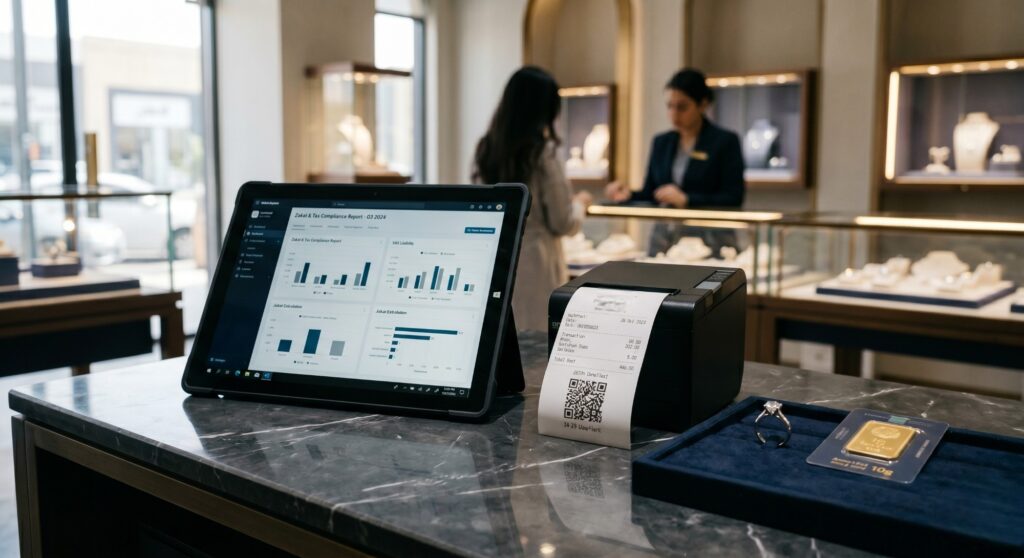
Running a retail enterprise is a complex endeavor in any sector, but operating a jewelry and precious metals business introduces an entirely different tier of financial complexity. If you own a furniture store, the cost of a wooden dining table remains static from the moment it enters your warehouse until the moment a customer buys it. You understand your exact profit margin before the customer even walks through the door. The precious metals industry, however, completely defies this traditional retail logic. In this highly specialized trade, you are dealing with a commodity whose underlying value fluctuates continuously based on global economic shifts, currency exchange rates, and international geopolitical events. The raw materials sitting in your display vaults are technically worth a different monetary amount today than they were yesterday. This constant state of flux means that relying on generic bookkeeping methods or manual spreadsheets is not just inefficient; it is actively dangerous to the survival of the business. Without a crystal-clear, mathematically perfect view of where your money is tied up, how quickly your assets are moving, and what your true profit margins are after factoring in variable making charges and metal wastage, you are essentially flying blind. Understanding the importance of financial analysis in the gold industry is the first major step toward transforming a vulnerable retail shop into a highly resilient, data-driven enterprise. Comprehensive reporting is the only mechanism that allows business owners to separate actual, realized profits from temporary, on-paper gains caused by a sudden spike in the global market rate. When management teams have access to pristine, accurate documentation, they no longer have to guess about the health of their company. They can see exactly which operational components are bleeding cash and which are generating substantial revenue, allowing them to pivot their strategies with absolute confidence. What Specific Core Benefits Do Accurate Reports Bring to the Showroom? The creation of financial documents is often viewed as a tedious chore required only for tax authorities or external auditors at the end of the fiscal year. This mindset severely limits a company’s potential. When utilized correctly, these documents act as a powerful diagnostic tool that highlights the immediate strengths and weaknesses of the daily operations. Implementing proper accounting gold principles and generating consistent analytical documents provides three massive, non-negotiable benefits to the business owner: Preventing Devastating Liquidity Crises Through Cash Flow Tracking: The jewelry business is notoriously capital-intensive. Purchasing just a few kilograms of high-purity bullion or restocking heavy bridal sets requires a massive outlay of cash. If a store owner does not strictly monitor the flow of cash coming in from daily sales versus the cash going out to suppliers and overhead, they can easily encounter a liquidity crisis. This happens when the store is highly profitable “on paper” because of massive inventory reserves, but physically lacks the cash required to pay the monthly rent, disburse employee salaries, or capitalize on a sudden dip in the global spot price to buy cheap raw materials. Accurate reporting acts as an early warning system, ensuring sufficient liquid funds are always available. Maintaining an Honest and Accurate Inventory Valuation: Your inventory is your biggest asset, but how much is it actually worth right now? If you purchased a heavy 24-karat piece six months ago when the market was peaking, and the market has since cooled down, carrying that item on your balance sheet at its original purchase price provides a false sense of financial security. Advanced documentation automatically adjusts the value of your unsold stock based on the current reality of the market. This truthful valuation is critical because it prevents management from making aggressive expansion decisions based on inflated asset numbers. Building Unshakable Trust with Investors and Financial Institutions: Growth requires capital. Whether you are looking to secure a substantial business loan from a major bank to open a second branch, or you are seeking private investors to fund a new manufacturing workshop, you must prove your financial stability. Banks do not lend money based on beautiful showroom displays; they lend money based on cold, hard data. Presenting potential partners with meticulously maintained, error-free financial histories demonstrates professional competence, significantly lowering their perceived risk and increasing your chances of securing the necessary funding at favorable interest rates. Which Essential Documents Dictate the Financial Health of a Jewelry Business? While there are dozens of different analytical metrics a business can track, there are three fundamental documents that form the undeniable core of any serious financial strategy. Understanding how to read, interpret, and act upon these specific reports is what separates struggling retailers from market leaders. To completely understand the mechanics of these documents, we must look at how they function specifically within the context of a precious metals operation. Essential Report Primary Purpose Crucial Impact on the Precious Metals Trade The Profit & Loss Statement (P&L) To summarize all revenues, costs, and expenses incurred during a specific period. It clearly separates the revenue generated from the metal’s weight versus the revenue generated from labor and making charges, highlighting the true source of your profit. The Cash Flow Statement To track the exact movement of liquid cash flowing into and out of the business. It ensures the store always has the liquidity needed to make urgent, bulk purchases from bullion suppliers without relying on high-interest emergency loans. The Inventory Turnover Report To measure the exact velocity at which stock is sold and replaced over a given timeframe. It identifies which heavy, capital-draining pieces are sitting in the vault unsold, preventing the business from over-investing in unpopular designs. Deep Dive: The Profit & Loss (P&L) Statement Often referred to as the Income Statement, the P&L is the ultimate scorecard for your business over a specific month, quarter, or year. In a standard business, a P&L is relatively simple. However, utilizing gold accounting software allows jewelers to break down their P&L into highly specific industry categories. A specialized P&L will show you the exact “Cost of Goods Sold” (COGS). For a jeweler,

Read more
مقال شامل حول مزايا استخدام البرمجيات المحاسبية في صناعة الذهب

Advantages of Using Accounting Software in the Gold Industry

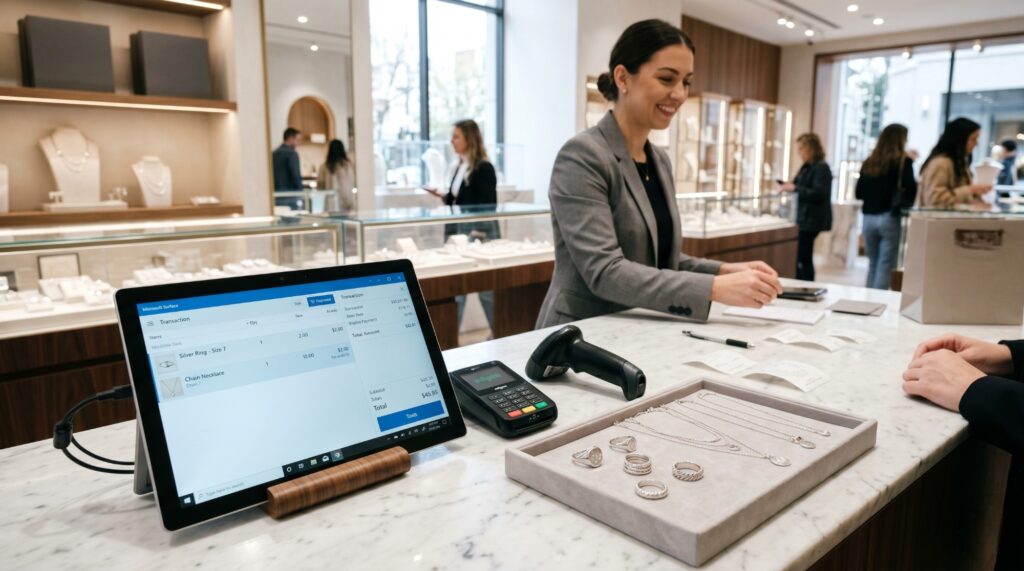
Running a retail business is generally a straightforward mathematical equation: you purchase inventory at a specific wholesale cost, mark it up by a certain percentage, and sell it to the consumer for a profit. However, the moment you step into the world of precious metals, this standard retail equation completely shatters. Jewelry store owners do not deal with static commodities. They operate in a highly volatile market where the underlying value of their primary raw material—gold—fluctuates by the minute based on global economic indicators, currency strengths, and geopolitical events. A necklace sitting in a display case on a Monday morning might literally be worth a different amount by Wednesday afternoon, entirely independent of any action taken by the store owner. Beyond the fluctuating baseline price, the valuation of a single piece of jewelry is incredibly intricate. It involves calculating the exact karat purity (18k, 21k, 22k, 24k), factoring in the precise weight down to the milligram, adding the labor costs associated with crafting the piece (making charges), and accounting for the microscopic amounts of metal lost during the manufacturing process (wastage). If a piece includes precious stones or diamonds, an entirely separate layer of valuation and certification must be integrated into the final price. Attempting to manage this multi-layered complexity using generic spreadsheets or standard retail management tools is a recipe for disaster. Generic tools treat a gold ring like a pair of shoes—a static SKU with a fixed cost. They cannot comprehend live market rates, nor can they accurately process the exchange of old scrap metal from a customer as partial payment for a new piece. This massive operational gap is precisely why transitioning to specialized digital infrastructure is no longer an optional upgrade for modern jewelers; it is a fundamental requirement for survival and growth. What Are the Tangible Benefits of Upgrading Your Financial Tools? When a jewelry business transitions from manual ledgers or generic software to a platform built specifically for the precious metals trade, the impact is felt across every single department. The transformation goes far beyond simply keeping the books balanced. It alters how sales are closed, how inventory is secured, and how executives plan for the future. Eliminating Manual Errors in Complex Cost Calculations The most immediate and critical benefit is absolute mathematical accuracy. In the precious metals industry, a calculation error of a few percentage points on a high-weight transaction can completely wipe out the profit margin for that entire sale. Specialized platforms automate the most stressful parts of the checkout process. They pull live market rates directly into the point-of-sale interface. When a piece is scanned, the system automatically runs the formula: (Live Metal Rate x Item Weight x Purity Factor) + Labor Charges + Wastage + Applicable Taxes. By removing the human element from this complex equation, businesses eliminate the risk of accidental underpricing or overcharging, ensuring that every single transaction is perfectly optimized for profitability. For businesses aiming to secure their margins, finding the best gold accounting software is the first critical step toward financial accuracy. Streamlining Daily Operations and Enhancing Customer Experience The modern consumer expects a frictionless purchasing journey. If a customer has to wait twenty minutes at the counter while the sales representative manually calculates the value of their old gold trade-in, calculates the price of the new item, and drafts a handwritten receipt, the excitement of the purchase quickly turns into annoyance. An advanced integrated accounting system connects the front-end sales counter directly with the back-office ledgers. Invoicing becomes instantaneous. The system can easily handle split payments, process trade-ins, generate digital warranties, and issue precise tax invoices in a matter of seconds. This operational efficiency not only reduces the administrative burden on the staff but also dramatically elevates the perceived professionalism of the brand in the eyes of the customer. Empowering Leadership with Real-Time Decision Making Relying on end-of-month financial reports is like driving a car while looking only in the rearview mirror; you see where you have been, but you cannot react to what is right in front of you. Because the value of inventory fluctuates daily, jewelry store owners need a live pulse on their financial health. Modern digital tools provide real-time Profit and Loss (P&L) dashboards. If the global market price spikes unexpectedly, management can instantly see the exact adjusted value of their entire showroom inventory. They can identify which specific designs are moving quickly and which are tying up capital, allowing them to make immediate, data-backed decisions about purchasing, melting down slow-moving stock, or adjusting their marketing strategies. Establishing Unbreakable Inventory Control “Shrinkage” is a polite retail term for theft, loss, or misplacement. In a standard clothing store, losing a t-shirt is a minor annoyance. In a jewelry store, losing a single high-purity bangle is a severe financial blow. Advanced systems treat inventory control with the seriousness it deserves. Every single item is assigned a unique serial number or lot number, often tied to RFID tags or advanced barcodes. This level of granular tracking means management knows exactly when an item was manufactured, which artisan worked on it, which display case it currently sits in, and which salesperson showed it to a customer last. This meticulous tracking deters internal theft and makes daily auditing a fast, highly accurate process rather than a stressful, days-long ordeal. Bulletproofing Your Financial Data Security A jewelry business’s database contains incredibly sensitive information: high-net-worth client profiles, massive inventory valuations, and detailed banking data. Protecting this information from external cyber threats and unauthorized internal access is paramount. Top-tier software platforms deploy enterprise-grade security protocols. They utilize end-to-end encryption for all data transfers, ensuring that even if intercepted, the information is unreadable. Furthermore, they implement strict role-based access controls. A junior sales associate might only have permission to view the selling price of an item, while only the branch manager has the credentials to view the actual manufacturing cost or the supplier details. Automated, encrypted cloud backups ensure that a physical disaster at the storefront does not result

Read more
top
Business Challenges

Digital Transformation

Security

Automation

Gaining Efficiency