A Complete Guide to Biometric Attendance Systems for Saudi Companies: Enhancing Efficiency and Security
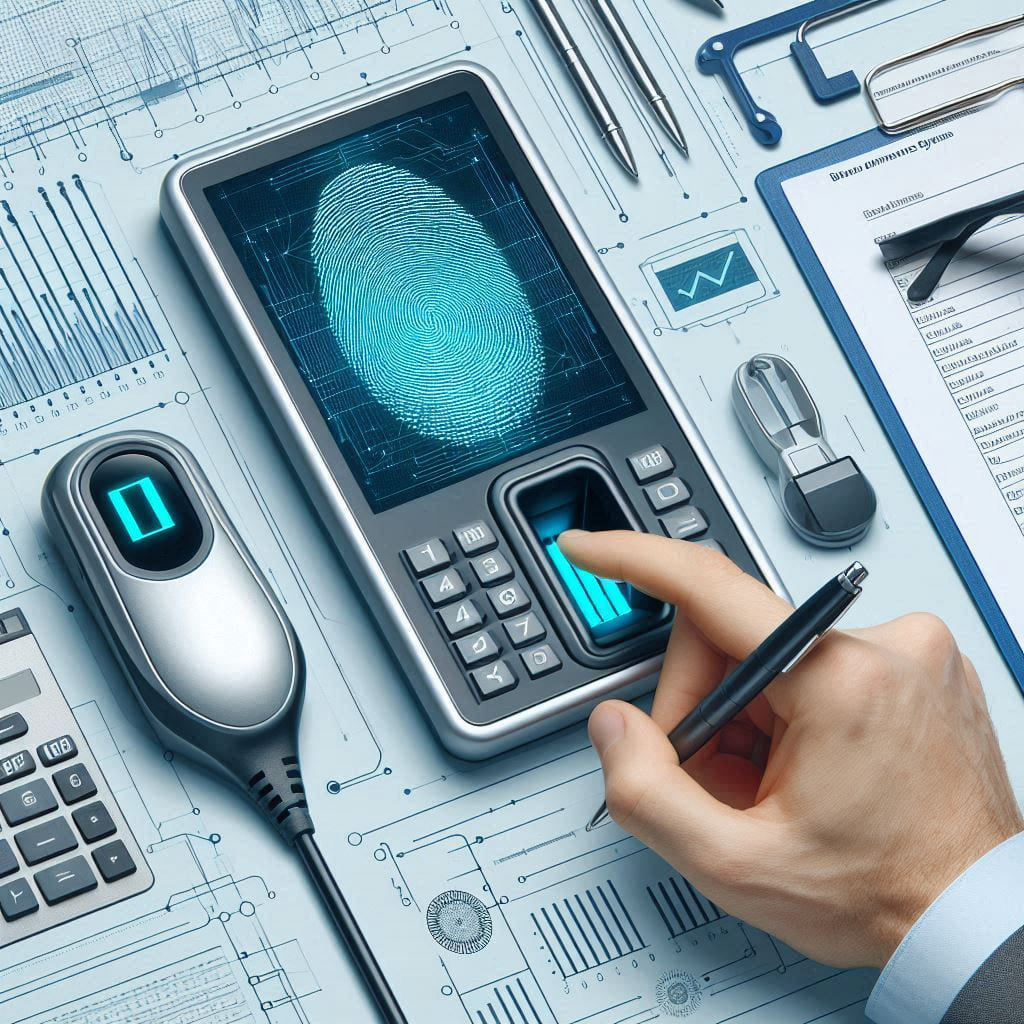
The fundamental concept of workplace identity verification has undergone a radical transformation over the past decade. Traditional methods of recording when an employee begins and ends their shift—such as paper timesheets, magnetic swipe cards, or simple personal identification numbers (PINs)—have proven to be highly vulnerable to manipulation and administrative errors. To establish a secure, foolproof, and highly efficient operational environment, modern enterprises are abandoning these legacy tools in favor of advanced physical verification methods. Relying on the unique physiological characteristics of individual staff members, these advanced hardware terminals guarantee that the person clocking in is exactly who they claim to be. This technological shift is not merely about upgrading hardware; it is a strategic move to protect payroll budgets, streamline human resources operations, and enforce strict access control across corporate facilities. Fingerprints don’t lie, but paper timesheets do — explore how Daysum’s HR Management Software turns biometric data into audit-proof payroll. Core Technologies Powering Biometric Terminals All of these devices work the same way underneath: they scan a specific physical attribute, convert that image into a complex mathematical algorithm, and store it as a digital template. When an employee attempts to log their time, the device scans them again and compares the live data against the stored template in a fraction of a second. For organizations looking to build a secure infrastructure, exploring a comprehensive guide to biometric attendance systems in Saudi companies is an excellent starting point to understand which specific technology aligns with their operational environment. Fingerprint Recognition This remains the most widely adopted and recognizable form of physical identity verification globally. Fingerprint scanners analyze the highly unique patterns of ridges, valleys, and minutiae points on the surface of an individual’s finger. Optical Scanners: Capture a high-contrast digital photograph of the fingerprint using an internal light source. Capacitive Scanners: Utilize tiny electrical currents to map the physical depth of the fingerprint ridges, making it nearly impossible to fool the system with a printed image or a silicone mold. Fingerprint terminals remain the default choice for standard office environments: reliable, familiar to staff, and the lowest cost per unit of any biometric method. Facial Recognition Mapping Following recent global shifts toward touchless technology, facial recognition has surged in popularity. These terminals use advanced cameras and software algorithms to map the geometry of an employee’s face. The software measures specific nodal points, such as the exact distance between the eyes, the depth of the eye sockets, the width of the nose, and the shape of the jawline. Modern devices incorporate infrared sensors, allowing them to accurately identify staff members even in poorly lit environments or night shifts. The absence of physical contact is what makes this method the practical answer for healthcare facilities, food processing plants, and heavy manufacturing sites, where hands are often gloved, wet, or dirty. Iris Scanning Considered one of the most secure biometric modalities available, iris recognition analyzes the complex, intricate patterns found in the colored ring of the eye. The human iris contains hundreds of unique characteristics that remain completely stable throughout a person’s lifetime. The scanning process involves illuminating the eye with gentle near-infrared light to capture the detailed structures, which are then matched against the database. Due to the high cost of the specialized cameras required, iris scanning is typically reserved for highly sensitive environments such as research laboratories, government facilities, or secure data centers. Hand Geometry Measurement While slightly older than facial or iris scanning, hand geometry remains a robust solution for specific industrial applications. These devices measure the physical dimensions of the hand, including the length, width, thickness, and surface area of the fingers and palm. Although not as uniquely distinctive as a fingerprint, hand geometry is highly durable. It performs exceptionally well in harsh industrial environments—such as construction sites or mining operations—where workers’ fingerprints might be temporarily worn down, scarred, or covered in grease. Why Are Legacy Systems Failing Modern Businesses? The transition toward physiological verification is driven by the severe limitations and hidden costs associated with traditional timekeeping methods. Relying on outdated practices consistently drains corporate resources and creates administrative bottlenecks. The End of Manual Calculation Errors Human error is an unavoidable byproduct of manual data entry. When HR personnel are tasked with transcribing handwritten timesheets or deciphering disorganized punch cards at the end of every month, mistakes are inevitable. A missed decimal point or a misread number can result in significant payroll discrepancies. By entirely automating the data capture process at the source, biometric terminals eradicate these typographical errors. The exact minute an employee arrives is permanently logged into the database, ensuring that the data flowing into the finance department is flawlessly accurate. Avoiding these common mistakes in attendance and payroll management prevents employee disputes and protects the company from accidental overpayments. Eradicating Time Theft and Buddy Punching One of the most persistent financial leaks in businesses using swipe cards or passwords is “buddy punching”—the practice where one employee clocks in on behalf of a coworker who is late or absent. While a few minutes here and there might seem insignificant, across a workforce of hundreds of employees over a fiscal year, buddy punching translates into massive financial losses. Because a physical trait cannot be shared, borrowed, or stolen, biometric systems completely neutralize this threat. The physical presence of the employee is an absolute requirement to trigger a successful time log, ensuring that companies only pay for the exact labor hours actually rendered. Accelerating Shift Transitions In environments with hundreds of workers arriving simultaneously—such as factories, large retail complexes, or construction sites—shift bottlenecks are a major issue. Swiping cards or typing long PINs slows down the entry process, causing long queues and cutting into productive working time. Modern biometric terminals process a scan and verify the identity in less than a second. This rapid throughput ensures that large volumes of staff can pass through entry gates quickly and efficiently, starting their designated shifts without unnecessary delays. Calculating the Long-Term Financial Return Biometric hardware is a capital purchase, but